Picture book illustration

A picture book is thirty-two pages, roughly fourteen spreads, and one continuous piece of visual storytelling. Illustrating it as fourteen separate pictures is the most common way a good manuscript ends up as a flat book.

  • Spread-led, gutter-safe layouts
  • Page turns planned as story beats
  • Cover built to work at thumbnail

The page turn is the only tool print has

Film has cuts. Books have the page turn — a physical pause the reader controls, ideal for a reveal, a joke's punchline, or a change of tone. Where that turn falls is decided at the roughs stage, and it is decided across the whole book at once rather than spread by spread.

This is why every picture book here goes through a complete rough pass before any final art begins. Discovering in week eight that the best reveal is stranded on a verso is expensive; discovering it in a thumbnail costs an afternoon.

Pacing, palette and the shape of a book

Fourteen spreads at the same visual intensity exhausts a reader by spread six. A picture book needs rhythm — wide establishing spreads against tight intimate ones, busy against quiet, warm against cool. That rhythm is planned as a colour script covering the full book before production, in the same way an animated feature is.

The colour script is a cheap artefact that prevents an expensive problem: a finished book that is technically well drawn and somehow tiring to read.

Standard formats, handled as standard

24pp, 32pp and 40pp; portrait, landscape and square; standard trade trims. Artwork is built to your printer's template with correct bleed, gutter allowance and trim, plus a separate cover file including spine width calculated from your paper stock and extent.

If you are working to a co-edition where text will be replaced for other territories, say so at the brief stage — the artwork is then built with text-free areas planned in rather than retrofitted.
Picture book deliverables

  • Style exploration drawn from your manuscript
  • Character turnarounds and expression sheets
  • Full-book thumbnail pass for pacing and page turns
  • Colour script across all spreads
  • Rough layouts for every spread to your trim template
  • Final full-colour artwork, two revision rounds per stage
  • Cover, spine and back cover with calculated spine width
  • Endpapers, title page and half-title artwork
  • Print-ready CMYK with bleed and trim, plus layered source
  • Text-free co-edition versions where required

Portfolio examples

See all work →
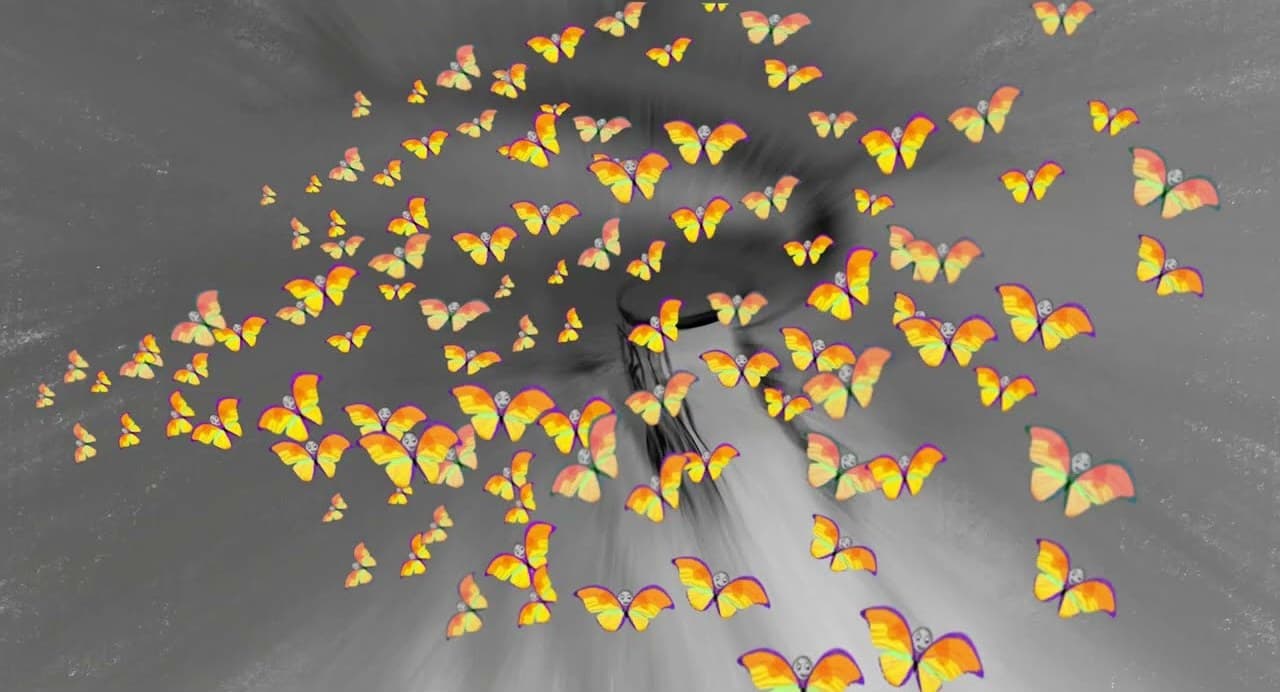
A grey vortex filling with hundreds of orange butterflies — the closing image of the Braintegration film.

Storyboarding · Sequential art

Braintegration — Better State of Mind

A single visual language held from thumbnails through to final frames — the same consistency discipline a book series needs.

Publisher portfolio

Ask for samples matched to your title

Much of the published book work is under NDA until release. Tell us the age band, format and style you are commissioning for and we will send the closest relevant samples rather than a generic reel.

Request the portfolio

Frequently asked questions

How many illustrations are in a 32-page picture book?+

Usually 12 to 15 spreads once front matter and end matter are accounted for, though it varies with how much text sits on the title page and whether endpapers are illustrated. We map the exact count against your manuscript before quoting, so the number in the quote is the number you get.

How long does a picture book take?+

8–12 weeks from signed brief to print-ready files is typical, assuming final text is available by the roughs stage. The quote states the latest date we can receive final text without putting your print slot at risk — that date is usually the real constraint, not the drawing.

Do you handle the cover as well as the interiors?+

Yes, and it is worth commissioning together. A cover is a different job from an interior spread — it has to work at thumbnail size on a retailer's grid as well as at full size on a shelf — but it needs to come from the same visual world as the book inside it.

Can you work to our trim size and printer's template?+

Send the template and the spec sheet with the brief. Artwork is built to it from the roughs stage onward rather than adapted at the end, which is what keeps gutter and trim problems from appearing in final art.

What if the manuscript is still being edited?+

Common, and workable — style exploration and character design can proceed on a near-final text. Roughs are where text changes become expensive, so the schedule flags the point at which the manuscript needs to lock. You will know that date from the first quote.

Get a quote

Commissioning a picture book?

Send the manuscript and your print date. You will have a fixed per-spread quote and a schedule within one business day.

Prefer to talk it through?

Twenty minutes is usually enough to scope a title properly.

Manuscripts are treated as confidential, never published as samples, and never used as training material.

A range is enough. It tells us which production approach to quote, not what to charge you.

Reviewed personally by Rajat, usually within one business day. Your manuscript stays confidential and is never shared or used as a sample.